


The science behind Nuku
Modern sleep research has confirmed it. This page sets out what is known, and what isn't.
1500s
first written accounts of mouth breathing in sleep¹
1981
first experiments blocking healthy sleepers' noses overnight²
19 min
less deep sleep in one night with a blocked nose²
Why the nose?
You sleep enough. You still wake up tired.
The cause is often one few people check: how you breathe at night. The nose is your body's main airway in sleep.³ When it narrows, the mouth takes over the air, but not the sleep.
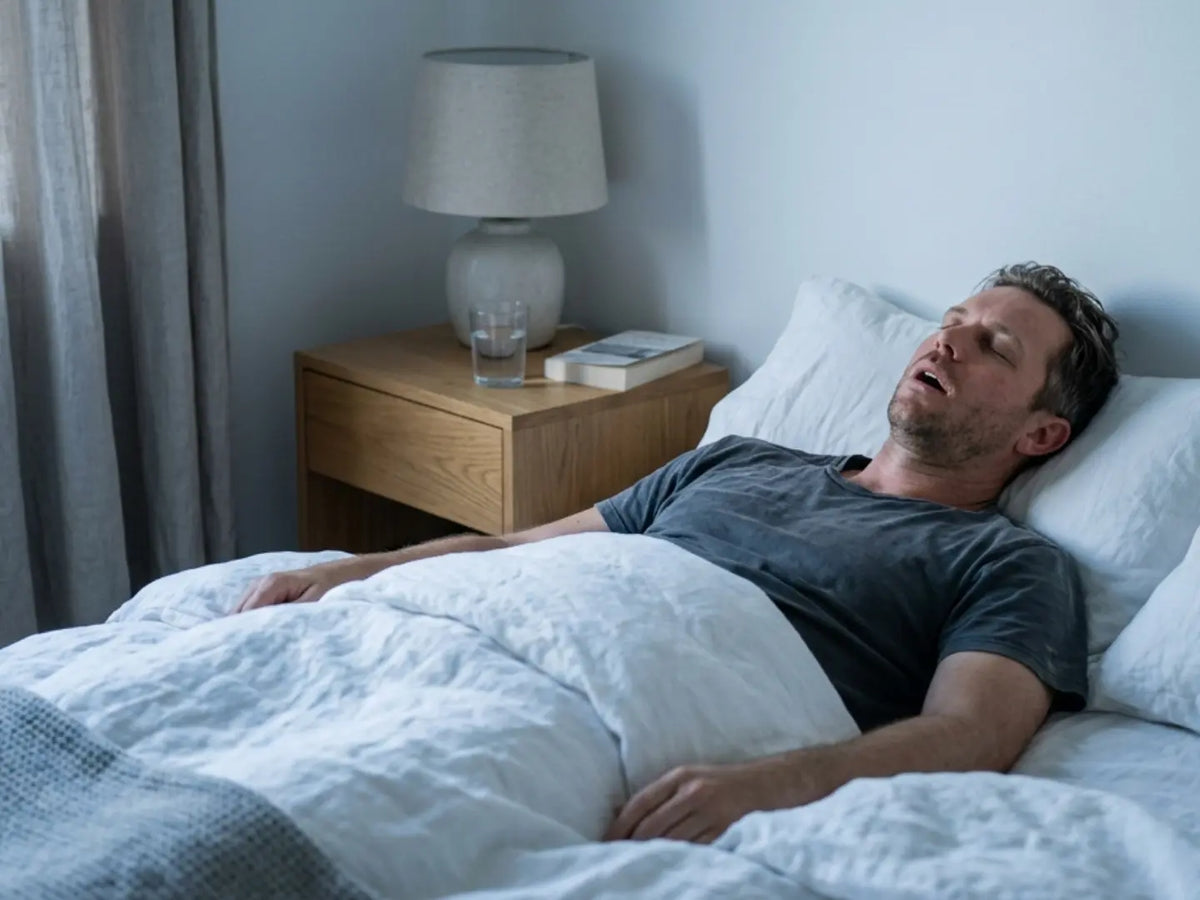
90 → 71 min
Deep sleep when researchers blocked healthy sleepers' noses for one night.²
When your mouth opens, your sleep changes.
Sleep breaks up
Extra breathing effort wakes the brain for seconds at a time. You won't remember it, but you'll feel it in the morning.⁴
The body stays alert
Breathing through the nose shifts the nervous system toward rest. Breathing through the mouth doesn't.⁵
The airway gives way
In sleep, airway resistance is more than twice as high through the mouth. That's where a lot of snoring starts.³
How Nuku works
The narrowest point is just inside your nostrils.
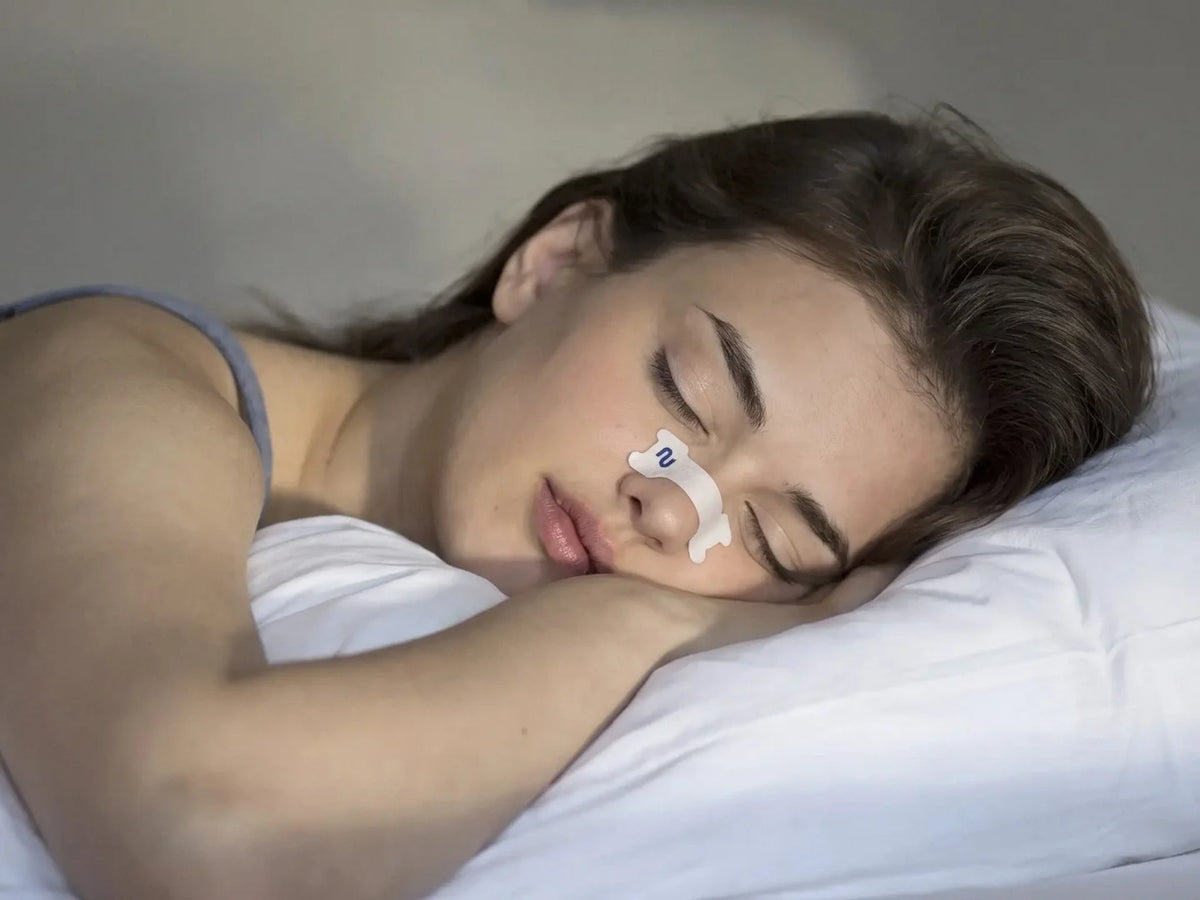
Lying down, the soft sides of the nose fold inward with every breath in. Nuku holds them open from the outside: mechanically, with no drugs.
-
Lifts
A flexible band gently lifts the sides of your nostrils.
-
Opens
Every breath in through the nose takes less effort.
-
Holds
With the nose open, the mouth stays closed more easily.
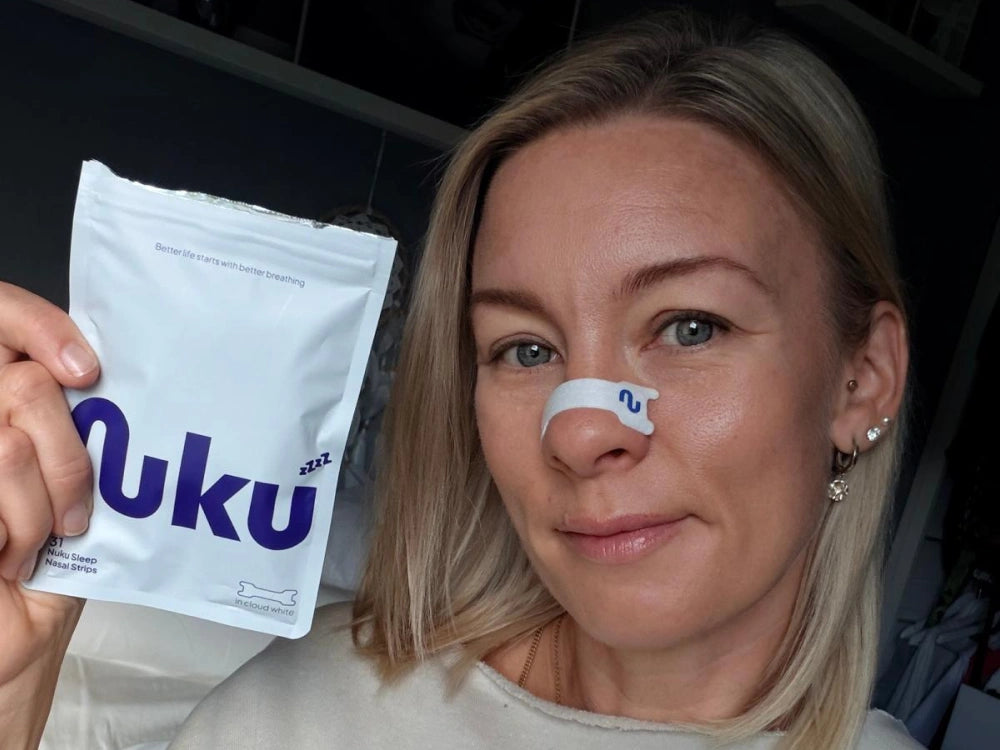
"Nasal breathing is a concrete way to support your alertness and recovery. Nuku's strips have been an easy way for me to do that. The night-time breathing pauses my Oura measured stopped completely, and they've stayed away."
Miia Soranto
certified sleep coach · @miia.soranto
What does this mean for you?
I wake up tired
"I sleep seven or eight hours. I still wake up tired."
Lying down narrows the nose, the mouth opens, and short arousals break up your sleep.⁴ A strip keeps the nose open while you sleep.⁶
Menopause
"My sleep has changed."
After menopause, the muscles that hold the throat open are less active,¹⁰ so a narrow nose matters more. Sleep apnea also becomes more common,¹¹ so see a doctor if new snoring comes with pauses or heavy tiredness.
My partner snores
"I don't snore. But I don't sleep either."
Snoring often starts in the nose. Strips reduced how often people snored,⁸ and partners sleep better once snoring is treated.¹² Not a complaint, just something to try tonight.
"I sleep seven or eight hours. I still wake up tired."
Lying down narrows the nose, the mouth opens, and short arousals break up your sleep.⁴ A strip keeps the nose open while you sleep.⁶
"My sleep has changed."
After menopause, the muscles that hold the throat open are less active,¹⁰ so a narrow nose matters more. Sleep apnea also becomes more common,¹¹ so see a doctor if new snoring comes with pauses or heavy tiredness.
"I don't snore. But I don't sleep either."
Snoring often starts in the nose. Strips reduced how often people snored,⁸ and partners sleep better once snoring is treated.¹² Not a complaint, just something to try tonight.
Try it for 60 nights.
Many people notice easier breathing on the first night. Judge your sleep after about two weeks. Not for you? Get your money back.
Do nasal strips work?
They hold the nasal valve open mechanically. Studies on strips of this type show easier nasal breathing, fewer snores and better self-reported sleep. They help less when the problem isn't in the nose.
Does Nuku help with sleep apnea?
No. Nasal strips don't treat sleep apnea.⁹ If you have breathing pauses, wake up gasping or are very sleepy during the day, see a doctor.
Can I use it with mouth tape?
Yes. Nuku keeps the nose open and mouth tape keeps the lips closed. Only tape your mouth if you can breathe comfortably through your nose.
Why not a nasal spray?
Decongestant sprays work for a few hours and aren't meant for nightly use over long periods. Nuku works mechanically, with no medicine.
What if I don't notice a difference?
Then the narrowing may not be in your nose, which is useful to know. You're covered by the 60-night guarantee.